Taken two and a half years after the end of the Great War, the census of 1921 provides a picture of what life was like in that conflict’s aftermath. In this look at the parish of Waters Upton at the point when that census was taken, my main focus is on the households which were impacted by military service.
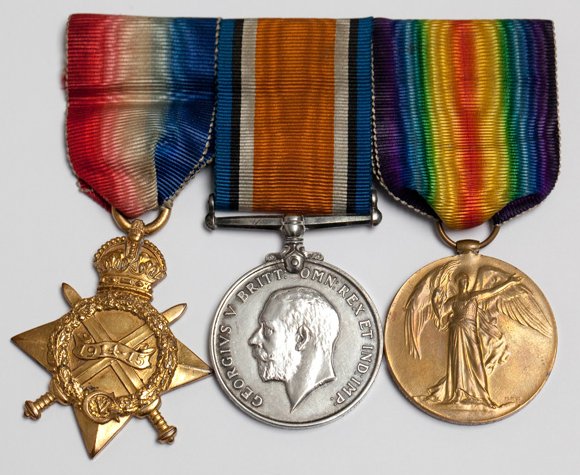
47 households in the parish of Waters Upton returned census schedules to the enumerator on the morning of Monday, 20 June 1921. In 15 of those households (a fraction under 32%) there were one or more occupants who had served with the armed forces during the Great War. Three of those households also had one or more occupants with immediate family members, by then dead or living elsewhere, who had served.
In another 13 (or 27.7%) of Waters Upton’s households which did not fall into the above category, there were one or more occupants with immediate family members (husband / son / father), by then dead or living elsewhere, who had served.
Taking these two categories together, at least 59.6% of Waters Upton’s households (28 out of 47) had occupants with direct or close connections to wartime military service – including five with immediate family members (seven men in total) who were killed during the war or died shortly afterwards. “At least”? Well, there was one more household which included someone who I suspect was an ex-serviceman. There may also have been others amongst those who came to village after the war. And it is quite possible that other households included occupants with immediate family members whose service I am not aware of. Further information boosting the total (and percentage) above may yet come my way.
Of the remaining 19 Waters Upton households, three had one or more occupants with more distant family members who served: a nephew, a first cousin, and a first cousin once removed. Another had an occupant who contributed to the war through involvement in military recruitment.
Enough of the numbers. Let’s meet the people and the families of Waters Upton whose lives were never quite the same after the first world war – and let’s do that by following the enumerator for the parish, Edgar Percy Davies, as he visited the homes of Waters Upton and collected the householders’ census schedules. This will provide us with brief introductions to the families of the parish in 1921, and to most of those individuals from the parish who served during the war. I hope to expand upon these introductions in future posts.
Edgar first called on the pubs and houses situated alongside the Wellington to Market Drayton road, starting with the southernmost, the Lion Inn (number 16 Waters Upton). Here, Lucy Price is our person of interest. She had two sons by her first husband, both born at Waters Upton, who had served during the war: Henry Wylde (King’s Liverpool Regiment and Labour Corps) and Albert Wylde (Royal Navy).

Next was number 23, home of widow Anne James and her adult children Thomas and Lizzie. Three of Anne’s sons had enlisted: John James (Royal Field Artillery), William James (The King’s Liverpool Regiment), and the aforementioned Thomas James (Shropshire Yeomanry). Sadly, William died on 17 November 1917 from wounds received while serving in France. Edgar Davies would later call at William’s former home, number 32, where his widow and sister-in-law were living; he would also visit the home of another James brother, Charles, at number 4.
Heading briefly up the main road running through the village took Edgar to number 22, another household with an ex-serviceman: John Picken was a Sapper with the Royal Engineers during the Great War.
Returning to the Wellington to Market Drayton road and crossing it took our enumerator to number 17, a house occupied by three former soldiers. Alfred Bennett had served with the King’s Shropshire Light Infantry, while his brothers George Bennett and Charles Edward Bennett had both been members of the Royal Army Service Corps. Edgar would later visit their brother Thomas Bennett (who had not served) at number 1 Waters Upton.

Back across the road to the Austin family at number 21 and then to number 24 next door, the abode of former Private (with the Oxfordshire and Buckinghamshire Light Infantry) Thomas Cartwright.
Next was number 20, also known as Sutherland Cottage. This was the home of Samuel and Mary Anne Woolley, two of their sons, and their only surviving daughter. Three sons were no longer at home, two of whom had been military men during the war: Robert Ernest Woolley was demobbed at a Sergeant in the Middlesex Regiment; Hubert Victor Woolley was still with Military Foot Police (and was enumerated at Cologne in Germany with the British Army of the Rhine).
After one final trip across the Wellington to Market Drayton road (to the Beeches, number 18) and back, Edgar Davies visited the last house in this part of Waters Upton village, the Swan Inn (number 19). Minnie Harper Owen was the innkeeper here, with her sister Emma Louisa Pierce providing domestic help. Emma was a widow, but not (as far as I can tell) a war widow. The sisters did have a connection to military service in the recent war however: their brother Charles Gordon Owen had been a Sergeant in the Royal Horse Artillery.
After he left the Swan, enumerator Davies headed up River Lane to the main road through the village, where he turned left and arrived at the Rectory (number 27). William Astbury Meakin, the rector, had not taken part in the war but his son, the Rev George Astbury Meakin, had briefly served with the Royal Army Medical Corps.
The next port of call was The Hall (number 28), home of Ernest James Fisk, who had ended the Great War as a Major in the Royal Field Artillery.

Crossing the road and walking past the parish church took Edgar Davies to the White House (number 12). Of all the households in Waters Upton, I think it is fair to say that this one had contributed most to the war. This was the home of Susan Anslow Davies, widow of rector John Bayley Davies. Five of this couple’s sons had gone to war: Arthur John Davies (Royal Navy), Walter Llewelyn Davies (King’s Shropshire Light Infantry), Reginald Wynyard Davies (Royal Army Medical Corps), George Herbert Davies (King’s Shropshire Light Infantry), and Andrew Taylor Davies (Gurkha Rifles).
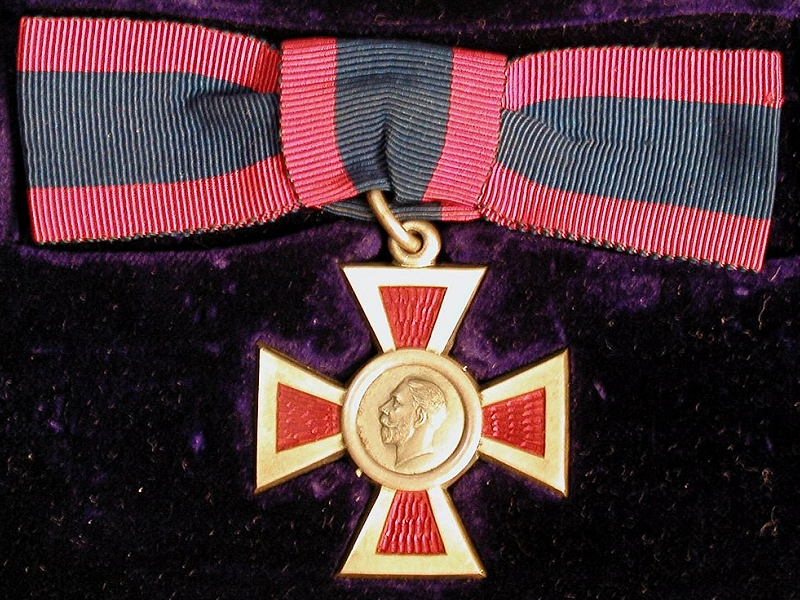
Two of the Davies brothers did not come home. George Herbert Davies was killed in action at Hooge on 9 (some sources say 10) August 1915; Walter Llewelyn Davies died of his wounds at the Somme on 15 July 1916. Annie May Davies, living at home with her mother, had served during the war too – she was awarded the Royal Red Cross Second Class in 1918 “in recognition of [her] valuable services with the British Forces in Mesopotamia” with Queen Alexandra’s Imperial Military Nursing Service Reserve.
Crossing the road again took our enumerator to an abode which was not numbered on the schedule; it appears to have been in the vicinity of The Hall and might have been what is now either 29a or Groom’s Cottage. Another Woolley family lived here: John, Fanny, and their son George Woolley, a “Discharged Soldier” who had been working for Lady Mary Herbert but was now out of work. During the war George had been a Gunner with the Royal Field Artillery. His brother Thomas Woolley had served too, with the Army Service Corps; in 1915 he gave his father John’s address as “Oldhall Cottages” in Waters Upton.
The next residence visited was number 29, where Joseph Shakeshaft had one of the more distant connections with wartime military service: his first cousin Joseph Baxter Shakeshaft, born at Waters Upton in 1885, had toiled with the Labour Corps.
The Crescent (Crescent House, number 30) was Edgar’s next stop. Frederick Walter Godfrey Starling was probably a post-war resident of Waters Upton; he brought with him memories of being a Private with the Army Service Corps.
After he left The Crescent, enumerator Davies doubled back to visit the houses in the vicinity of the smithy – he could have saved himself some legwork by turning right when he entered the main street from River Lane. The village blacksmith was the first person called upon on this little detour: Charles John Ridgway lived at number 15, next to his workplace. Charles was another resident whose connections with those who had served during the war was more distant. That connection was with two of his first cousins once removed. They were sons of Charles’ first cousin Alfred Ridgway at number 8 Waters Upton, so I will mention them later.
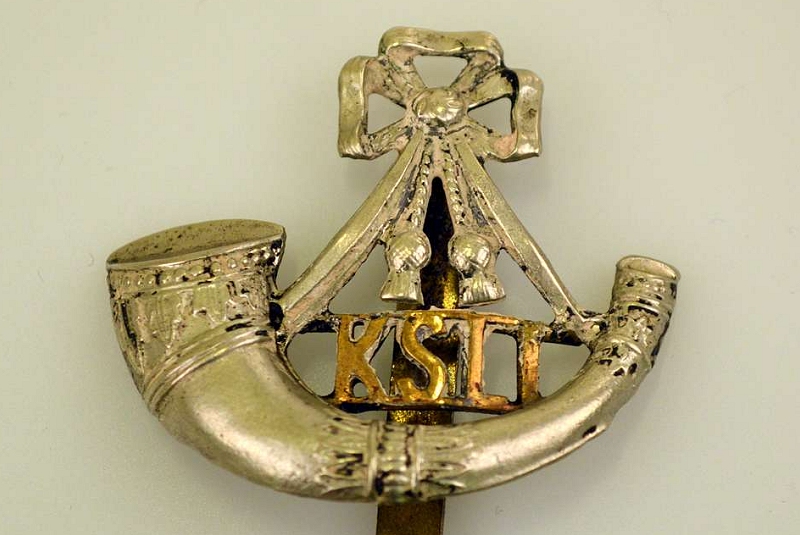
Across the road to number 25, home of James Buckley and his family. James had enlisted with the King’s Shropshire Light Infantry in 1910 so he was already in the Army when the Great War began. His brother-in-law John Evans had also served – Edgar Davies would call at John’s home, and meet another of John’s relatives, later.
Continuing back along the village road and crossing it once more to our enumerator to numbers 14 and 13, both inhabited by former soldiers. At the first house was John Halford Ferrington, formerly of the Royal Engineers, and his family; next door at number 13 lived Hannah Cartwright with her niece Gertrude Tudor and nephew Ernest Samuel Tudor. Ernest was another ex-military man (Cheshire Regiment and Labour Corps) who was now unemployed.
The last of this group of houses near the smithy, on the other side of the road, was number 26, the home of war widow Edith Mabel Parry and her three children. Edith’s late husband Edward Lewis Parry, formerly Waters Upton’s grocer and sub-postmaster, was killed in action in Northern France on 30 September 1918 while fighting with the Lancashire Fusiliers.

Picture credits: All photos by the author except where otherwise credited.
On to Part 2 ⇒
 Waters Upton One-Place Study
Thanks for your hard work. Grateful to read of my grandmother and other family at Sutherland Cottage.
LikeLike